The High-Stakes Career of J. Cheney Mason: Success, Controversy, and the Price of Fame
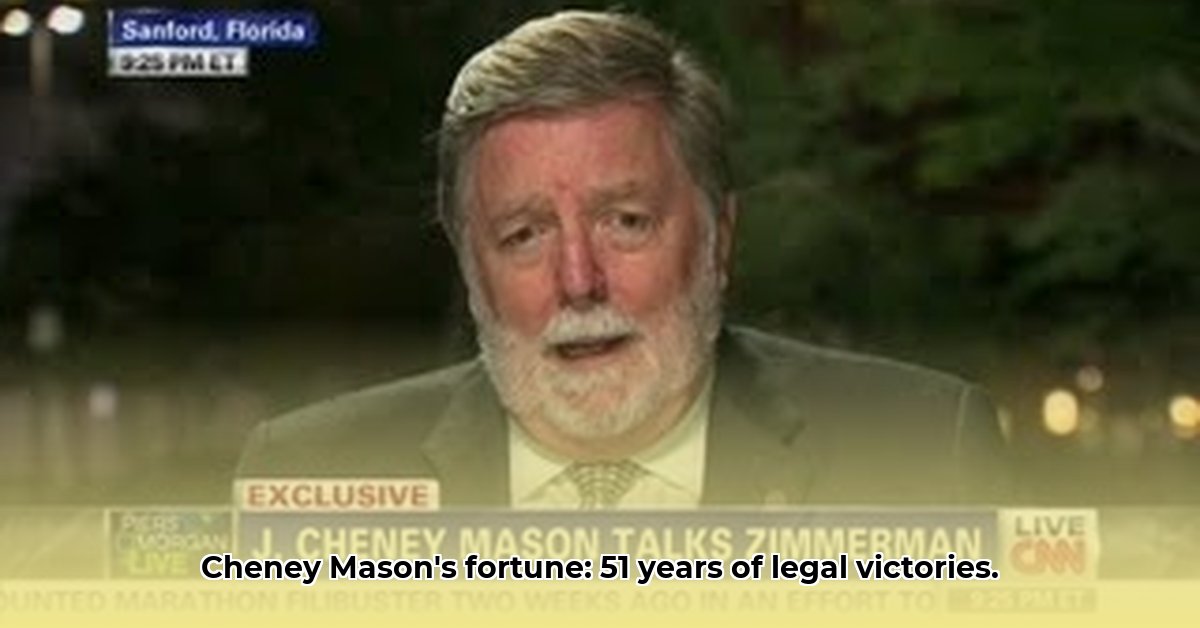
J. Cheney Mason’s five-decade career as a criminal defense attorney is a compelling narrative of courtroom victories, ethical quandaries, and intense media scrutiny. While precise details of his net worth remain private, the sheer scale and impact of his career strongly suggest it has yielded substantial financial success. This article delves into his high-profile cases, the ethical tightropes he walked, and the lasting impact of his impressive legal journey – illustrating how such a remarkable career likely translates into significant wealth.
High-Profile Cases and Legal Strategies: A Masterclass in Defense
Mason's name is inextricably linked with representing controversial clients, frequently placing him – and his cases – under the national spotlight. The Casey Anthony trial and the Nelson Serrano case serve as prime examples. These were not merely legal battles; they were media spectacles requiring a sophisticated blend of courtroom acumen and strategic public relations. His approach varied significantly between these cases, reflecting the ever-changing media landscape and its influence on legal strategy.
In the Casey Anthony case, the intense media coverage meant Mason had to navigate not only the legal arguments but also the relentless public pressure and pervasive media narratives. His strategy undoubtedly incorporated meticulous media management alongside his courtroom tactics. The Nelson Serrano case, conversely, might have presented different challenges, perhaps demanding a more concentrated focus on evidentiary details and witness testimony. Comparing these approaches reveals the versatility and adaptability essential for top-tier legal representation. The sheer complexity and high stakes of these cases almost certainly resulted in fees commensurate with the considerable time and effort invested.
How did Mason balance the demands of these immensely high-stakes cases? His approach highlights the need for a multifaceted strategy beyond simple legal argumentation.
Navigating Ethical Dilemmas: The Price of Advocacy
Mason's career was not without its ethical complexities. Representing controversial figures inherently attracts intense scrutiny. The "million-dollar challenge" incident, for instance, starkly illustrates the potential perils of public pronouncements, even for the most seasoned lawyers. Such incidents underscore the inherent tension between a lawyer's duty to their client and their responsibilities to the judicial system and the public. The "Jane Doe" cases further complicated matters, presenting unique ethical challenges related to client confidentiality and the public's right to know. This raises the question: How does one navigate the constant pressure to win while adhering to ethical principles? These ethical considerations undoubtedly influenced not only his courtroom strategies but also the perceived value of his services, indirectly impacting his earnings. Public perception, shaped by these controversies, could either enhance or diminish his earning potential depending on societal reception.
The Financial Realities of a High-Stakes Legal Career
While precise figures regarding Mason's net worth remain undisclosed, the long-term implications of his prestigious career are indisputable. His prominent victories, including landmark cases and the publication of "Justice in America," point to considerable financial success. Consider the extensive preparation required – countless hours spent researching, investigating, and strategizing, alongside substantial expenses for expert witnesses and other resources. These factors almost certainly translated into significant financial rewards, placing him comfortably among the highest-earning legal professionals. Beyond legal fees, his expertise and reputation likely extended to lucrative consulting work, speaking engagements, and potentially even television appearances. His extensive network within the legal field undoubtedly enhanced his earning potential significantly.
A Lasting Legacy: Impact Beyond the Courtroom
J. Cheney Mason's retirement marks the conclusion of a remarkable chapter in American criminal defense. His influence extends far beyond specific courtroom triumphs; his writings and public speaking have significantly impacted broader legal discourse. Mason's career powerfully illustrates the complexities of the legal profession—a realm shaped by legal skill, ethical considerations, and the pervasive influence of media. His success undoubtedly reflects a deep understanding of the interplay of these factors. His legacy stands as a testament to the power of skilled advocacy, even within the most challenging ethical landscapes.
Analyzing his strategies and exploring the ethical dimensions of his cases offers insight into the intricate relationship between legal success, ethical choices, and financial reward. Examining his courtroom performances, evaluating his public pronouncements, and scrutinizing his ethical dilemmas, reveals the complexities of his career. The ultimate measure of his impact remains a topic of ongoing discussion, but his lasting mark on the legal system is clear. The financial success that inevitably accompanies a career such as his is a result of his skills, experience, and reputation. His story prompts reflection; how does one negotiate the ethical complexities of representing high-profile, controversial clients while maintaining financial success? The answer, as Mason's long and storied career demonstrates, is multifaceted and far from simple.